
Bone Grafting in Washington, D.C.
Jawbone loss can be a serious issue with your oral health, leading to a loss of facial structure and even tooth loss. For patients who need dental implants or who may lose natural teeth due to bone deterioration, dental bone grafting can save their smile.
Our expert oral and maxillofacial surgeons are here to help you maintain the integrity of your teeth and jaw through advanced dental bone grafting procedures, using a wide range of technology and science-backed techniques to set you up for a strong bone structure—and a lifetime of healthy teeth.
Table of Contents
- Real Stories: Bone Grafting Patient Reviews
- Bone Grafting Cost in Washington, D.C, & Flexible Financing Options
- Why Choose Capital Center® for Your Bone Grafting?
- Book Your Bone Grafting Consultation Today
- What Is Bone Grafting?
- Benefits of Bone Grafting at Capital Center® for Surgery
- Who Is an Ideal Candidate for Bone Grafting?
- How Is Bone Grafting Performed?
- Preparing for Bone Grafting
- What to Expect During Bone Grafting
- Bone Grafting Recovery & Aftercare
- What Results Can I Expect From Bone Grafting?
Real Stories: Bone Grafting Patient Reviews
E.W.
It has been a bit more than 3 years since Dr. Emery performed a very delicate surgery, inserted a bone graft, and installed an implant. His work was impeccable, and the implant is the strongest part of my mouth today.
I needed an impacted molar removed that had developed a cyst around it and eroded lots of bone in my jaw. Two other surgeons believed I would lose feeling in part of my lower lip, but Dr. Emery was confident he could preserve the nerve using the cutting-edge technology he invented.
His confidence was contagious, and the surgery was as successful as he predicted. I do not think about having oral surgery from anyone else.
L.S.
I came to Dr. Emery after two prior implants failed. My dentist and periodontist told me he was “the fixer,” and they were right! A year after my first of two bone grafts, the new implant is solid as a rock.
W.T.
Dr. Emery is a top-notch oral surgeon with an extraordinary staff. I saw Dr. Emery two years ago to discuss dental implants in my upper jaw. I accepted his proposed treatment plan of nine implants and two bone grafts. It was an excellent experience with little to no pain. I returned for a check-up, and as I expected, all is well. I cannot thank Dr. Emery enough for his expertise and his staff for their professionalism and kindness.
Bone Grafting Cost in Washington, D.C, & Flexible Financing Options
The cost of dental bone grafting in Washington, D.C., varies depending on the size of the treatment area, the type of graft used, and the complexity of the case. If patients have dental insurance, some or all of the cost may be covered.
At Capital Center® for Surgery, we are committed to providing excellent care through precise diagnosis and efficient treatment paired with cutting-edge technology for a premier oral surgery experience. If your dental insurance won’t cover all of our services, or if we are out-of-network, our experienced team will work with you and your insurance company to determine final costs and offer flexible financing options when needed.
Why Choose Capital Center® for Your Bone Grafting?
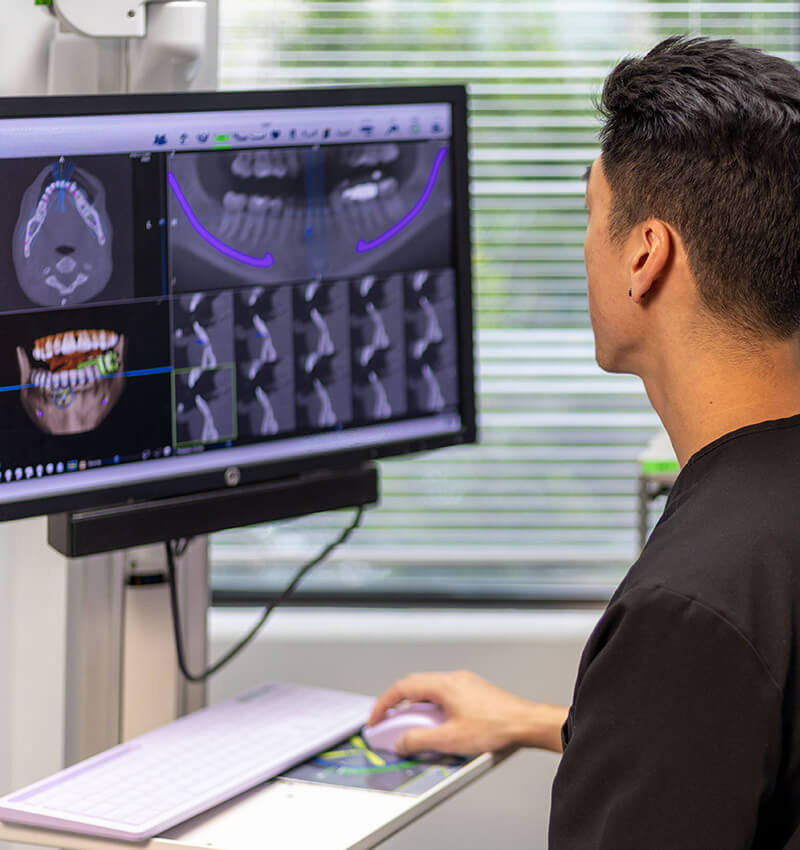
At Capital Center®, technology is not just a helpful tool—it’s at the forefront of our practice philosophy, improving the patient experience, enhancing safety, and reducing post-operative pain and complications.
We use advanced technology like the X-Guide® system not because it’s easier, but because it improves your experience.
Choosing Capital Center® for Surgery for your dental bone grafting means you are investing in yourself, your experience, and your oral health. We are a team of highly experienced oral and maxillofacial surgeons who can offer a full range of oral surgical procedures under one roof, including dental bone grafting, complex dental implants, and wisdom tooth removal.
Whether your dental bone grafting procedure is a precursor to another procedure or it’s a restorative procedure for your overall oral health, our surgeons are ready to provide unparalleled care and support for a healthy smile.
Book Your Bone Grafting Consultation Today
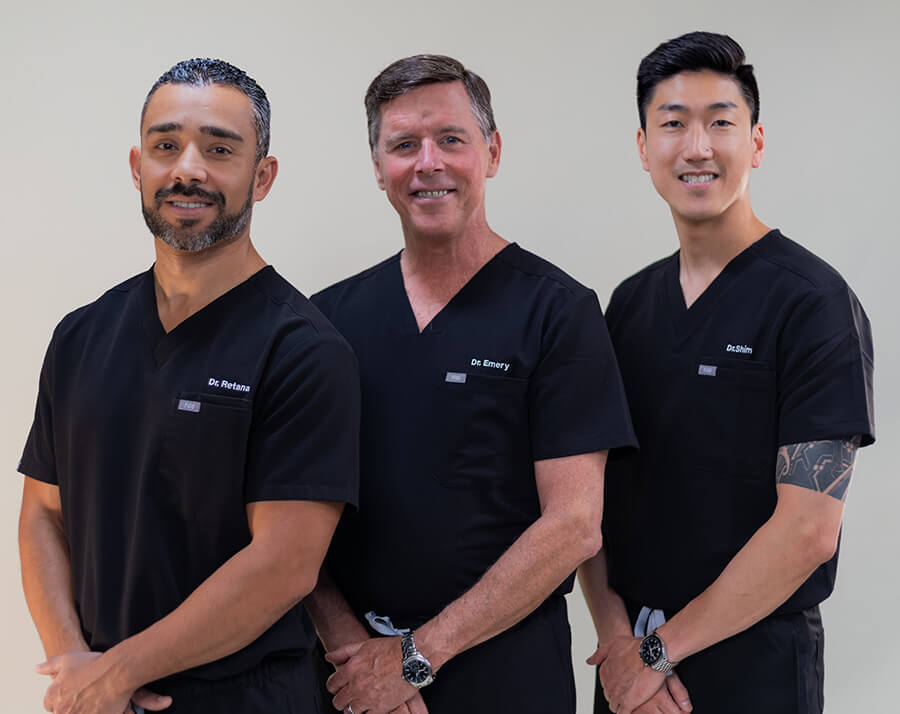
Drs. Emery, Retana, and Shim are ready to help you create a strong foundation for a healthy, beautiful smile with dental bone grafting. Whether your bone grafting procedure is a precursor to dental implants or is used to treat bone loss due to illness or injury, our team is ready to help. Call Capital Center® for Surgery today at (202) 386-7100 or complete the contact form to request a consultation and discover what your options are for dental bone grafting.
What Is Bone Grafting?
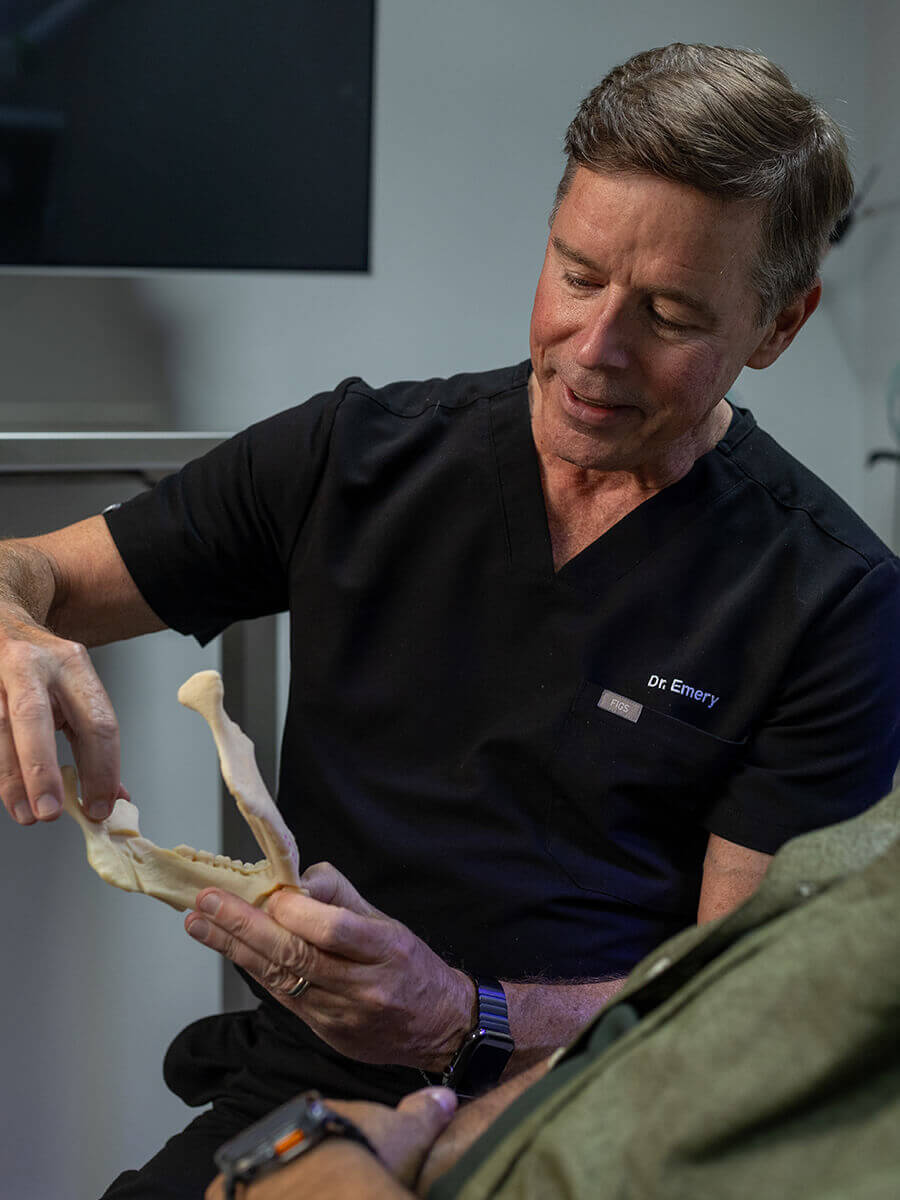
Dental bone grafting is a procedure that uses natural or synthetic ground bone material to increase bone volume and density in the jaw. The technique provides support for dental implants and can help restore the underlying facial structure, as missing teeth or gum disease can cause the jawbone to degenerate, resulting in facial structure loss.
Types of Bone Grafting Materials
Your graft can come from various sources. In a traditional approach, the doctor harvests material from another site in the body, such as the knee or hip. As oral and maxillofacial surgeons, we have extensive experience in acquiring bone from other areas of the body and transferring it to where it is needed. By leveraging the X-Guide® system, we can precisely remove bone material from these donor sites.
Harvesting bone in this way has a few drawbacks, the biggest being that patients will need to heal in two places as a result of the procedure. They will also have activity restrictions for at least one week as they recover. As a result, it’s much more common to use material for bone grafting from other sources, such as:
- Allograft: Human bone from a licensed donor bank
- Alloplast: Lab-made dental bone substitutes
- Xenograft: Animal-derived bone (bovine and porcine) from a licensed donor bank
Benefits of Bone Grafting at Capital Center® for Surgery
Bone grafting is an essential precursor to important dental procedures like placing dental implants, and a key procedure for maintaining optimal overall health. The benefits of dental bone grafting include:
- Enables dental implant success
- Prevents jawbone deterioration
- Saves existing teeth after periodontal disease
- Maintains facial structure
- Improves oral function
- High success rates
Who Is an Ideal Candidate for Bone Grafting?
If you are experiencing bone loss due to injury, disease, or tooth loss, you may be a candidate for dental bone grafting. Your oral surgeon or dentist may recommend bone grafting to support the following treatments:
- Dental implants: If you have missing teeth for an extended period of time, your jawbone stops the ossification process that keeps your bones healthy and strong. Before we can replace missing teeth with dental implants, we need to establish strong support via the jawbone through bone grafting.
- Orthognathic or cosmetic surgery: If you have a procedure to revise the jaw or facial cosmetics, your doctor may have to replace missing or malformed bone as part of the procedure.
- Trauma and pathology procedures: Some patients have lost bone as a result of an accident. Others have portions of their bone removed during the excision of a tumor or cyst. Bone grafting can fill in these areas of loss.
- Periodontal disease: Gum disease can cause bone loss, threatening your dental health. After successful periodontal treatment and as the gums improve, your dentist may recommend bone grafting to repair your jawbone.
The best way to determine if dental bone grafting is right for you is to call Capital Center® for Surgery at (202) 386-7100 or complete the contact form to schedule a consultation with one of our experienced oral surgeons. They will discuss the bone grafting process with you and suggest the ideal process and bone grafting material for your needs.
How Is Bone Grafting Performed?
Your doctor will choose a bone grafting approach based on the amount and shape of bone that needs to be replaced. Generally, this means using either particulate or block bone grafting.
Particulate bone grafting is the most common approach our doctors use for patients. We can mold particulate bone to different areas of loss, which makes it especially useful in oral surgery procedures. A biocompatible substructure, such as a titanium mesh, provides support and gives shape to the bone particles.
Block bone grafting may be necessary when a large amount of bone is missing. This is sometimes the case with patients who have experienced trauma, had a tumor removed, or have a congenital defect. Bone blocks provide support and structure to soft tissues without the need for mesh.
Preparing for Bone Grafting
Bone Grafting Consultation
During your initial consultation, your doctor will conduct a thorough examination and perform diagnostic tests to determine the care you require. Bone grafting is often a supplemental procedure for our patients, and we will go over where bone is needed as part of treatment planning. We can often choose the bone grafting material based on a patient’s preferences.
What to Expect During Bone Grafting
Some patients will have a bone grafting procedure during the same surgical session as their other treatment, such as dental implant placement. However, most patients receive bone grafts in a single surgery and delay the next stage of treatment until the grafting site has healed. This gives the site time to strengthen, resulting in a more durable and reliable outcome. In either case, your comfort, safety, and quality of care will be our practice’s highest priorities.
A general bone grafting procedure may look like the following:
Anesthesia
The treatment area is first numbed using a local anesthetic. In some cases, sedation may be used, depending on the complexity of the graft.
Incision & Cleaning
Your surgeon will make a small incision in the gum to expose the jawbone beneath. Next, the area is cleaned thoroughly to remove any bacteria or damaged tissue.
Graft Placement
The bone grafting material is placed in the areas where the jawbone has deteriorated.
Securing & Closing
Depending on the type of graft used, your surgeon may place a protective mesh over the graft to secure it. Lastly, the gum is draped back over the graft and stitched in place.
Bone Grafting Recovery & Aftercare
Healing from your dental bone graft is divided into two distinct phases: initial soft tissue healing after surgery, which takes about one to two weeks, and full osseointegration (the graft fully integrating), which takes about three to six months.
Immediately after your bone grafting procedure, expect some swelling, bruising, and mild discomfort. Depending on the complexity of your procedure and the type of anesthesia used, most patients can return to normal activities, such as work, after one to two days.
Our team will provide you with specific aftercare instructions, including when to come in for a check-up and when you can schedule the next procedure in your surgical plan, if applicable. These instructions may include some of the following:
- Avoid smoking, drinking from straws, and eating chewy/crunchy foods.
- Stick to a soft diet for a few days after your procedure.
- Take all prescribed medications.
- Follow all recovery instructions.
- Attend follow-up appointments.
- Rest for at least one day after surgery.
What Results Can I Expect From Bone Grafting?
As your bone graft integrates into your jawbone, the strength and structure of the treatment area will improve, providing a healthy space for your natural teeth or a site for future dental implants. A successful bone graft is a restorative procedure that not only supports a healthy jawbone but also maintains the integrity of your facial structure and smile.